My 6 word autobiography: Seeking ways to make a difference. This blog provides more information packed comments than possible in blog comments. I'm not an expert in any field but interested in many. Content is open to correction if needed.
Do I know about an Australian tree which has black hair on it?
This one need a little research because I didn't know what type of tree it might be. Here is a link I found that has some "hairy" trees. They might help you know what tree you mean. 🙂
Australia has a large range of animals but some of our most famous are our marsupial (pouched) and monotreme (egg laying) mammals and our birds. In Part 1 of this post, I have shown some of our reptiles I have photographed so I will only show some mammals and birds.
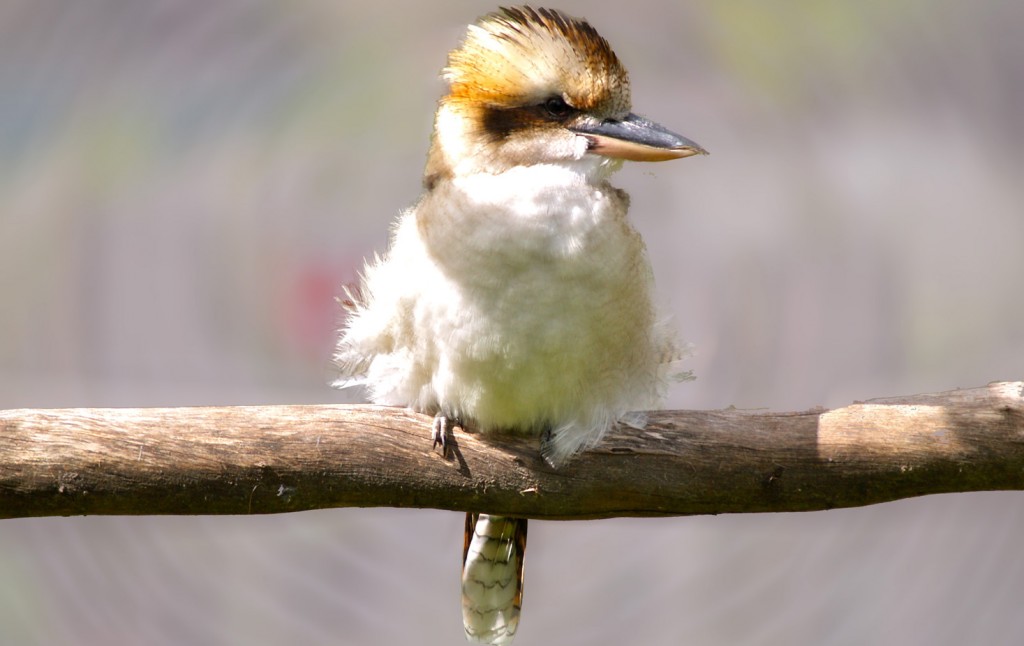
Here are some of the birds I have seen visiting my home.
This is the crazy type of bird I mentioned enjoyed a diet of sugary flower nectar. One of these birds flew between another person and me when we were talking.
Schools and students have permission to use this graphic for non-commercial, educational purposes.
Monotremes (egg laying) Mammals
The most ancient type of mammals are the monotremes. The females lay leathery eggs. On hatching, the young take milk from their mother like all mammals.
The only monotremes known to exist in our world today are the echidna and platypus. The platypus is only found in Australia. Echidnas are found in Australia and New Guinea.
The platypus is hard to photograph in the wild. While I have seen them, they are more like a ripple as they surface in creeks after searching for food. Not having a photo, here is my drawing of a platypus.
Schools and students have permission to use this graphic for non-commercial, educational purposes.
The echidna (or spiny anteater) is a harmless animal whose only defence when attacked is to dig it's strong claws into the ground and show its spines. I have found one wandering in my garden. The photo is of a short beaked echidna. The long beaked echidna is found in New Guinea.
Schools and students have permission to use this graphic for non-commercial, educational purposes.
Marsupial (pouched) Mammals
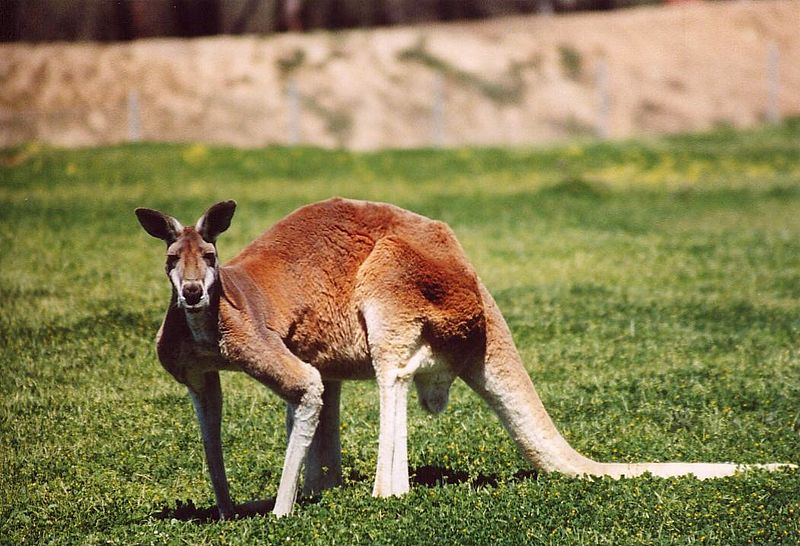
Marsupial or pouched animals are born very tiny. They make their way up their mothers fur and into the pouch where they can attach to a nipple. When they grow too large, they start to come out of the mother's pouch and eventually stay out. Here are some photos and drawings.
Schools and students have permission to use this graphic for non-commercial, educational purposes.
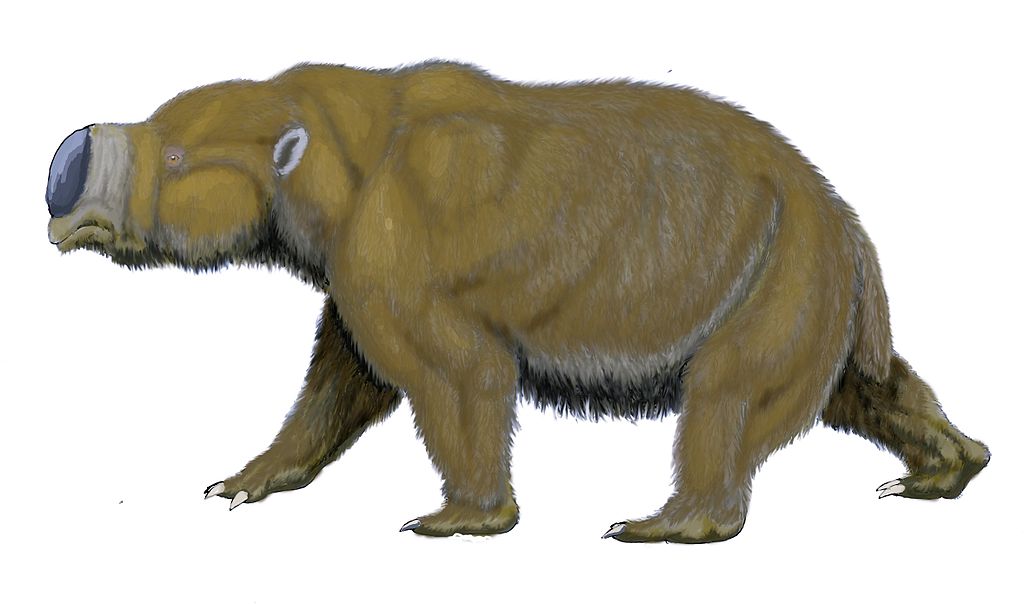
Diprotodon (extinct) - When the first native Australians arrived, these huge marsupials still roamed the land.
Wikimedia Commons graphic created by Dmitry Bogdanov
Thylacine - Tasmanian Tiger - hunted to extinction. The last known thylacine died in captivity in the 1930s. Some believe they still exist in isolated areas of Tasmania.
Schools and students have permission to use this graphic for non-commercial, educational purposes.
Schools and students have permission to use this graphic for non-commercial, educational purposes.Schools and students have permission to use this graphic for non-commercial, educational purposes.
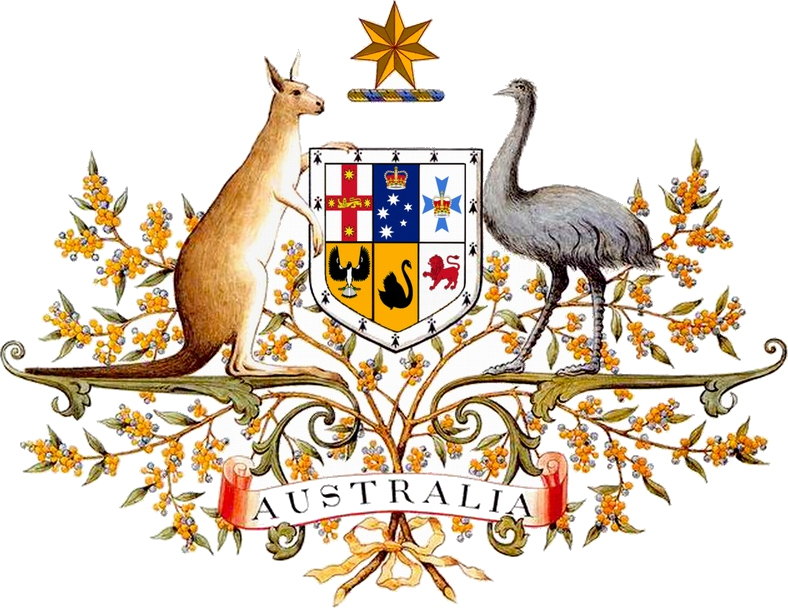
Add a little wattle
Schools and students have permission to use this graphic for non-commercial, educational purposes.
Show the seven pointed Federation Star and the emblems of each state and you have the Australian Coat of Arms.
Schools and students have permission to use this graphic for non-commercial, educational purposes.
What did I teach when I was a teacher?
When I was at university, I earned a Bachelor of Science degree. This meant if I taught high school (Grades 7 to 12) I would have taught science and possibly maths. Instead, I chose to gain a Diploma of Education in primary (Kindergarten to Grade 6) education. By teaching primary students I could teach English, Science, Maths, Social Studies, Music, Art, and Craft.
When computers came along, I was able to teach computer skills to classes and teachers. I first used computers back in 1975 and in class in 1981. Because I have many interests, I thought primary school would allow me to share much more than high school. Now, I share many of my interests online with classes around the world.