To see Global Grade 3's original post click on this title Rock Museum.
Hello Grade 3,
Well, you have been studying something of great interest to me, although previous classes know many things interest me. Rocks, minerals and fossils can be fascinating. I thought I might share some photos of a few of my collection.
Hardness
Did you know geologists grade rocks for hardness on a scale known as the Moh Scale? It's a scale running from the softest at 1 to the hardest at 10. Here are photos of the hardness levels from my collection.
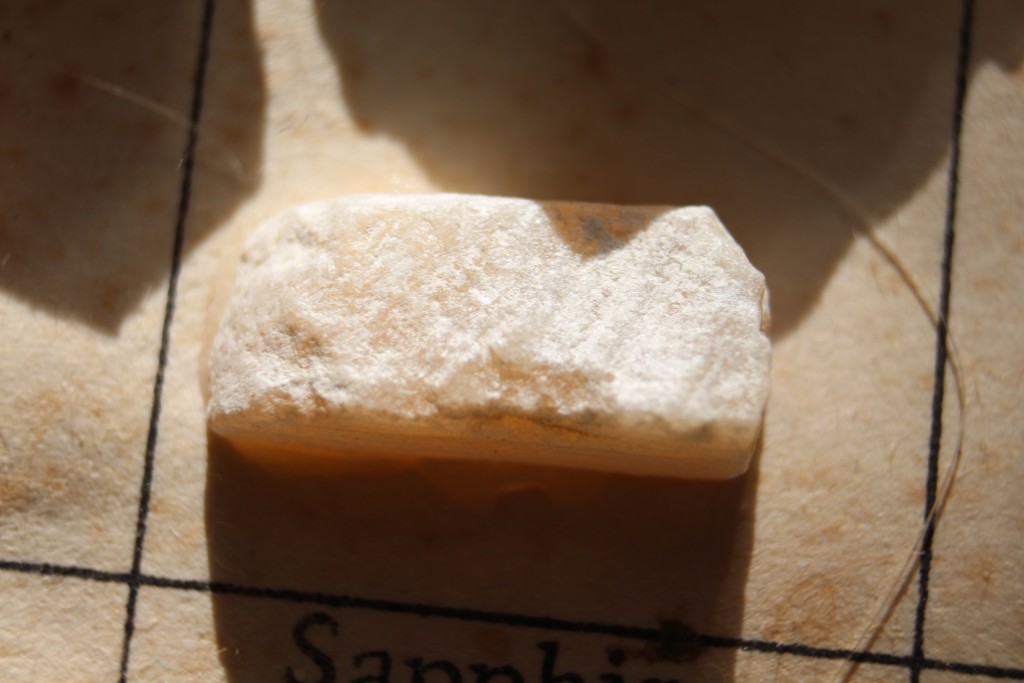
Moh 1 - Talc
Talc is a very soft rock. You can easily scratch with your fingernail. It's the stone used to make talcum powder. This is a very small sample from my collection and is only about 1cm across.
Moh 2 - Gypsum
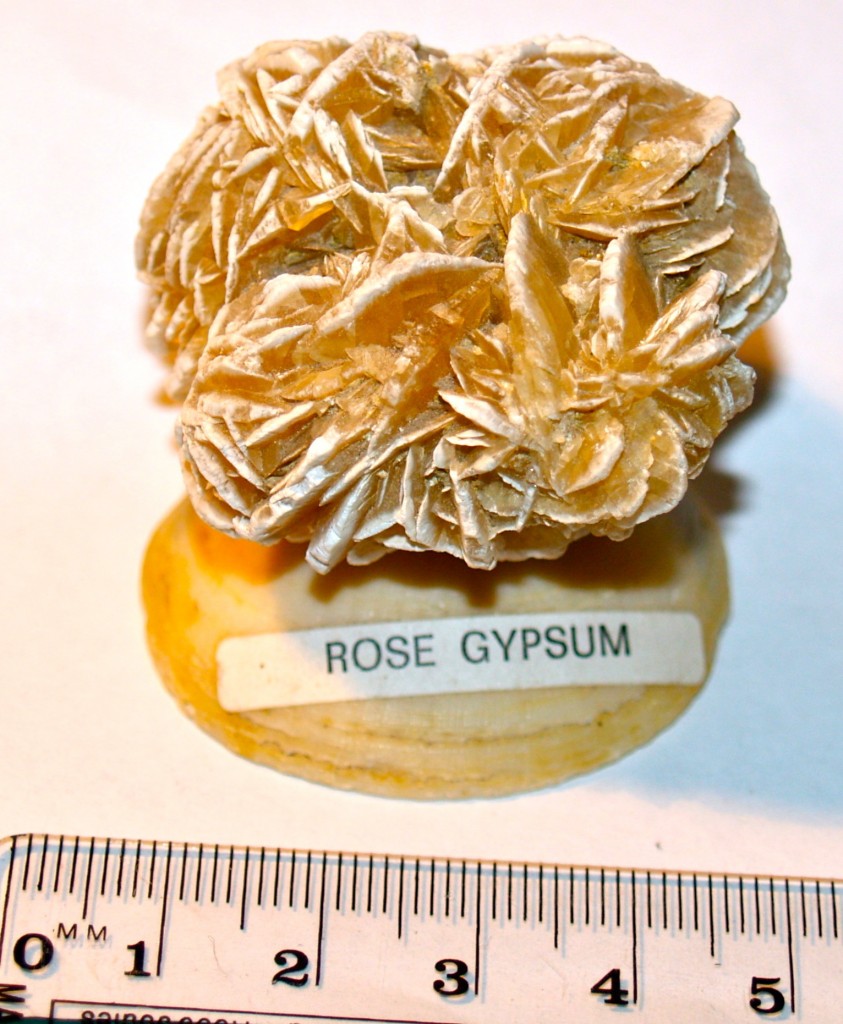
A little harder than talc but it can still be scratch using your fingernail. I have plainer samples of gypsum but like this rose gypsum.
Moh 3 - Calcite
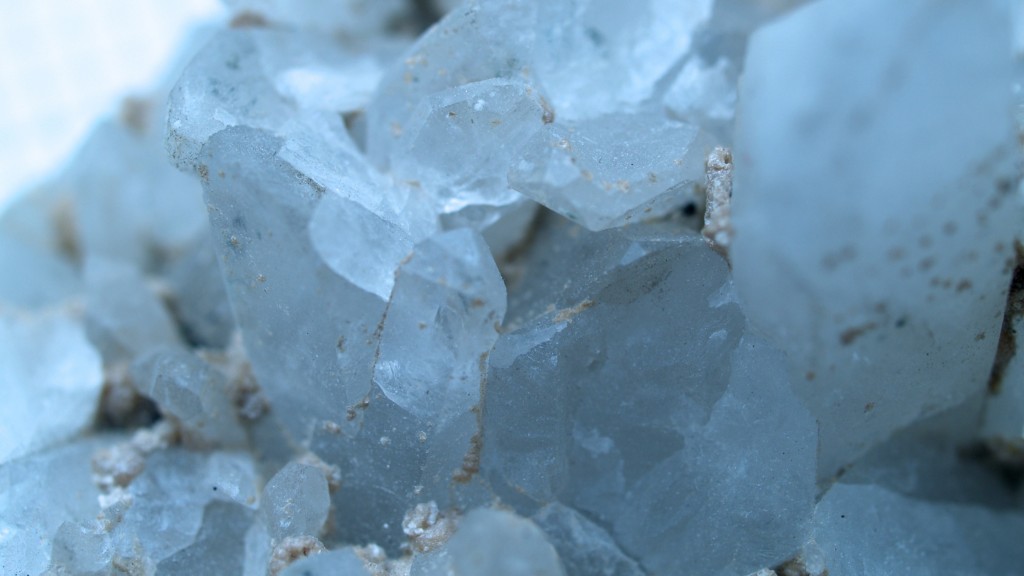
Calcite can be scratched using a copper coin. I liked this closeup photo of calcite crystals.
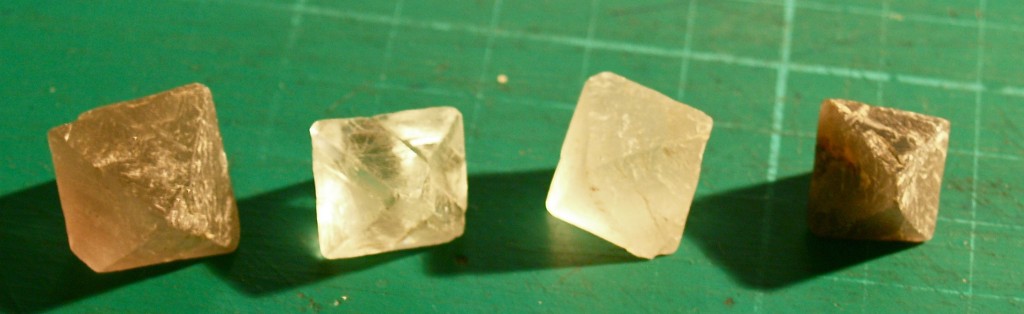
Moh 4 - Fluorite
These fluorite crystals can be easily scratched using a knife.
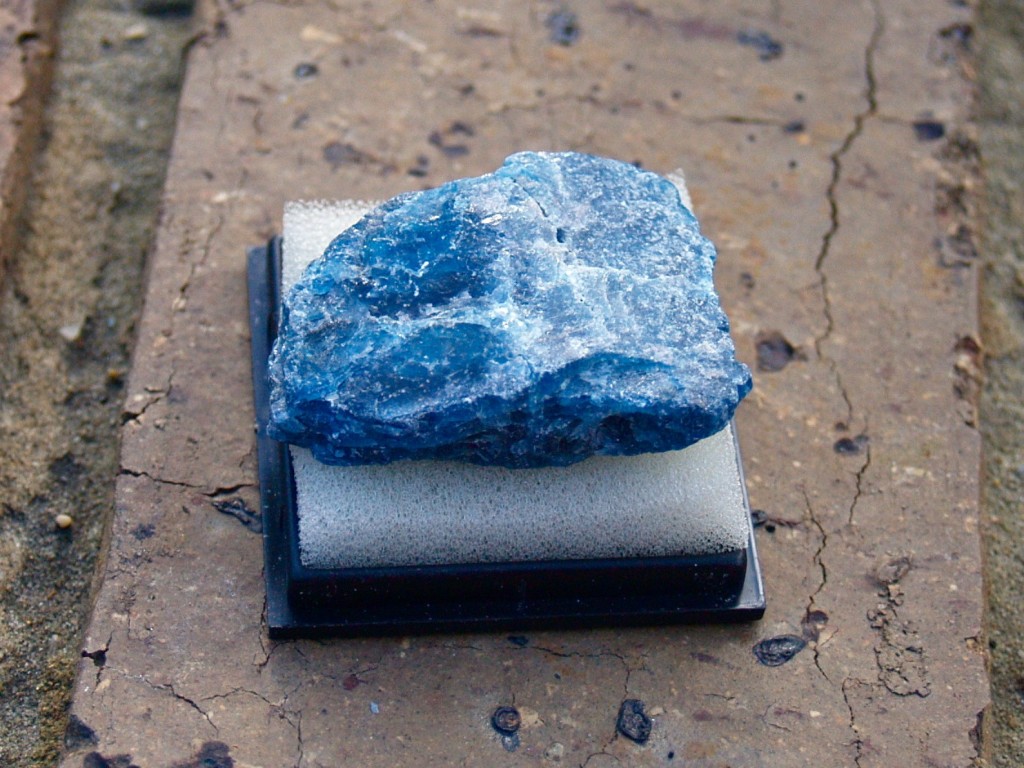
Moh 5 - Apatite
Apatite can be scratched using a knife.
Moh 6 - Orthoclase
Can be scratched by a steel knife.

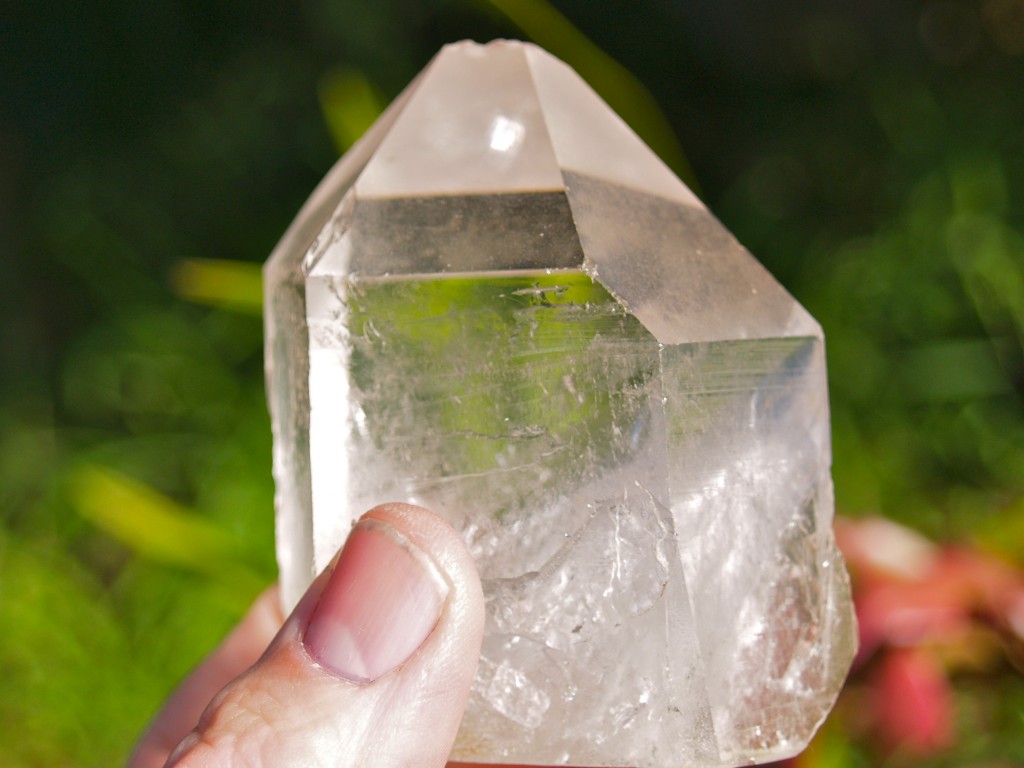
Moh 7 - Quartz
Scratches glass.
Moh 8 - Topaz
Like the diamond, this topaz is lower quality and, by its shape and look, was found in a river or stream. Topaz can scratch quartz. Good quality topaz is used in jewellery.
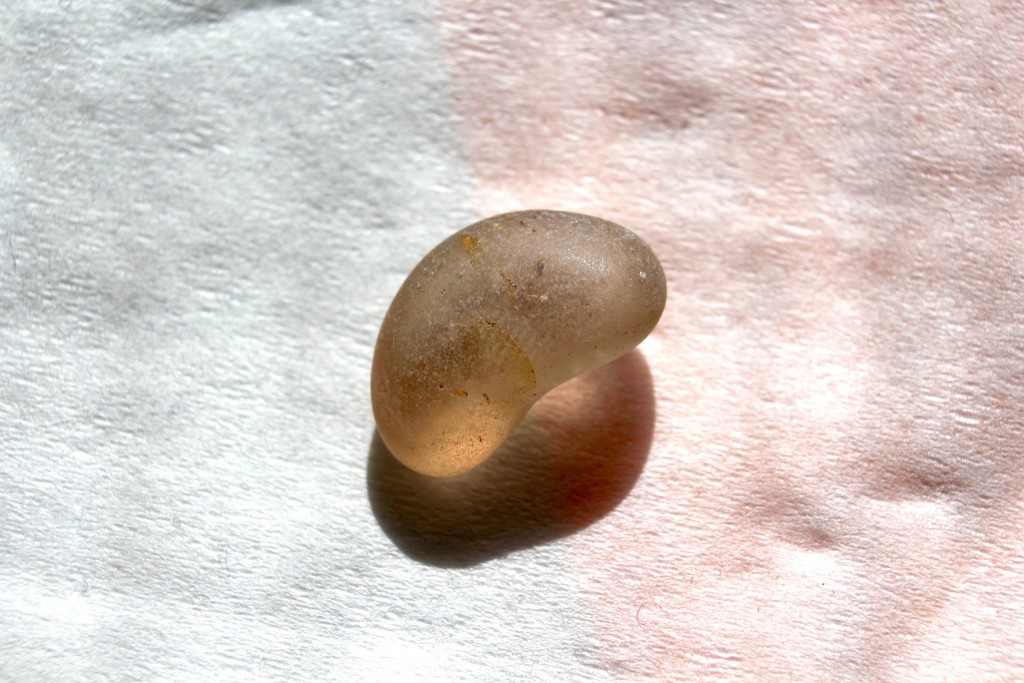
Moh 9 - Corundum
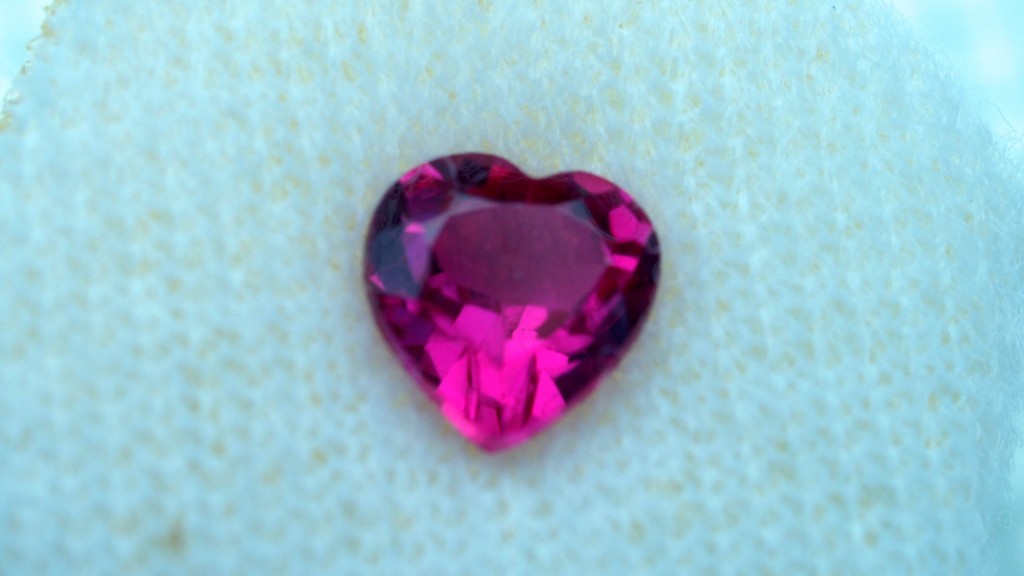
Corundum scratches topaz. While I shared a rough topaz, I thought I would show you a small cut corundum gemstone.
Moh 10 - Diamond
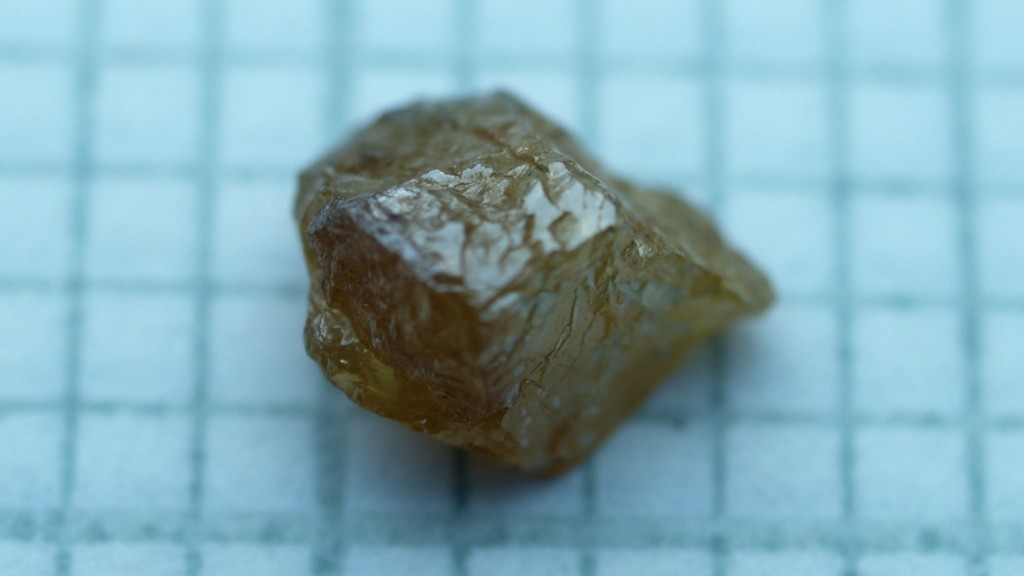
This is a real diamond from my collection but it isn't worth very much because it is not gem quality. It is industrial quality because of its impurities. Diamond can scratch all samples in a lower moh scale.